What is Complex PTSD (C-PTSD)?
Most people are familiar with the term PTSD (Post-Traumatic Stress Disorder). It’s often associated with soldiers or a single, distressing event like a car crash. The growing acceptance of PTSD has been remarkable in our understanding that humans experience great difficulty in “bouncing back” after a devastating experience.
But what happens when trauma isn't a one-time occurrence? What if it’s a series of events that lasted months or even years, most often in childhood?
That’s the concept of Complex or Childhood Post-Traumatic Stress Disorder (C-PTSD) comes in. It’s not just "PTSD that’s difficult"; it’s a distinct emotional, psychological, physiological experience that shapes how a person views themselves and the world around them.

Photo by Silvestri Matteo on Unsplash
_______________________________________________________________________
Ready for deeper healing?
If you’ve resonated with this post, you may be a good fit for IFS-informed EMDR therapy designed for people who feel stuck in therapy.
_______________________________________________________________________
What is C-PTSD?
While traditional PTSD is usually triggered by a specific event (like a car accident or a natural disaster), C-PTSD stems from prolonged, repeated trauma where the victim has little to no hope of escape.
Common scenarios include:
Childhood neglect, abuse, abandonment, misattunement.
Experiencing childhood illness, family addiction or loss of attachment figures through illness, death, divorce, etc.
Domestic or intimate partner violence.
Living in a chronically unsafe environment.
Misuse of religious or spiritual beliefs, texts, or practices to shame, manipulate, control, coerce, or isolate a person.
Experiencing a perpetual lack of basic needs.
Human trafficking or being a prisoner of war.
Intergenerational trauma that has been transmitted through relational patterns.
In these situations, the brain stays in a constant state of "high alert" for so long that it essentially rewires itself for survival, making it difficult to switch back to "safety mode" even after the threat is gone.
C-PTSD doesn’t always develop because of something that happened to you; it’s often a result of what didn’t happen: enough stability, emotional attunement, a chance to develop individuality, appropriate support or affection, etc.
C-PTSD vs. PTSD Symptoms
C-PTSD shares the core symptoms of PTSD—like flashbacks, nightmares, and hypervigilance. However, there are additional layers to the experience that make functioning more difficult.
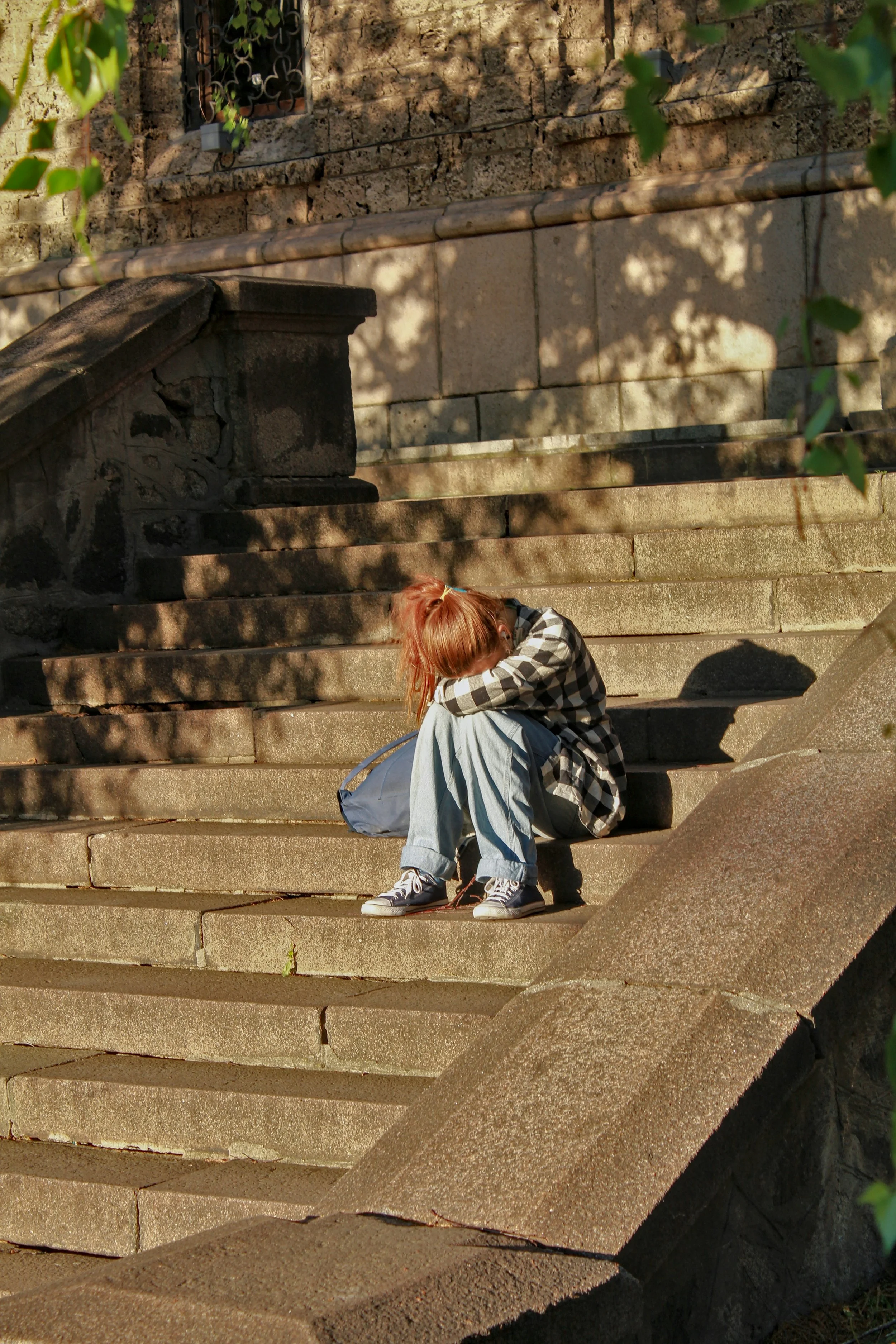
Photo by Zhivko Minkov on Unsplash
Emotional Dysregulation: This can look like explosive anger, persistent sadness, or even a complete emotional "numbness" that feels impossible to control. It is harder for someone with C-PTSD to come back to a regulated baseline.
Negative Self-Concept: People with C-PTSD often carry a deep-seated sense of guilt, shame, or the feeling that they are "broken" or fundamentally different from everyone else.
Interpersonal Difficulties: When your formative experiences involved a breach of trust or predictibility, it becomes incredibly hard to form healthy connections. This might manifest as avoiding relationships altogether (i.e. isolating, ghosting) or staying in unhealthy relationship patterns because they feel familiar (i.e. trying to caretake, rescue, please, etc).
Attention Difficulties: Trouble paying attention stems from prolonged states of heightened state of vigilance and emotional reactivity in systems due to past traumatic experiences.
Dissociation: A coping mechanism where individuals disconnect from their thoughts, feelings, or surroundings as a response to distress. This often shows up as substance use, doom scrolling, day-dreaming, numbness, fogginess, and a variety of other ways.
Diagnosis and Misdiagnosis
While PTSD is a recognized disorder in the DSM (Diagnostic and Statistical Manual of Mental Disorders), C-PTSD is not a recognized disorder in the United States despite it being a diagnosable disorder in Europe and elsewhere in the world. However, there are discussions to include it as a formal diagnosis in upcoming versions of the DSM and the Veteran’s Affairs National Center for PTSD has cited “in Europe, CPTSD is diagnosed based on the WHO's ICD-11, which defines it as a distinct condition from PTSD, involving core trauma symptoms plus three "disturbances in self-organization" (DSO): affect dysregulation, negative self-concept, and relational difficulties. It is primarily identified using the International Trauma Questionnaire (ITQ).
Because of this, if you are in the United States, your therapist might discuss C-PTSD with you, but it is not a diagnosis that insurance companies recognize and therefore cover related treatment.
Additionally, because its symptoms involve mood swings and self-image issues, C-PTSD is sometimes misdiagnosed as Borderline Personality Disorder, OCD, ADHD, Anxiety Disorder, Bipolar Disorder, and other mental health conditions.
The key difference? C-PTSD is a response to external prolonged trauma, whereas other disorders may have different origins. Getting the right diagnosis is crucial because the treatment approach—focusing on safety and processing the traumatic narrative—is specific to the survivor's history.
The Path to Healing
If this sounds like your lived experience, know that "complex" does not mean "broken." Symptoms of C-PTSD developed as responses to an unstable environment, and serve to protect from additional harm. Healing from C-PTSD isn't about forgetting what happened; it’s about teaching your nervous system that the danger is over. The body and mind are wired to heal when the circumstances promote safety and internal trust.
Recovery from C-PTSD involves integrative approaches and is highly individual. It usually involves multiple strategies, including:

Photo by Dane Wetton on Unsplash
Professional trauma support: Therapy with a qualified trauma provider can provide a safe space to process and change the relationship to the historical distress. Approaches like EMDR (Eye Movement Desensitization and Reprocessing), IFS-informed EMDR, DBT (Dialectical Behavior Therapy), and Somatic Experiencing are highly effective.
Education and Understanding: Understanding the root causes and effects of C-PTSD can validate your experience, promoting more access to self-compassion and clarity.
Self-Care and Accessing Resources: Focus on holistic self-care by integrating physical activity, meditation, and creative outlets into your routine. To manage emotional distress, use regulation strategies such as rhythmic breathing, sensory grounding techniques, and visualizations. Find a free emotional regulation toolkit here.
Establish Boundaries and Limits: Protect your peace by practicing the art of the "healthy no." Learn to advocate for yourself and honor your own internal limits. This kind of growth thrives in a safe environment, so consider leaning on a therapist or a trusted recovery circle as you build these skills.
Build Support: Healing happens in relationships. By surrounding yourself with trusted loved ones or peers who understand your journey, you create a space for genuine empathy. Sharing your experiences reminds you that you aren't alone, providing the encouragement needed to move forward. There are free recovery resources like Adult Children of Alcoholic and Dysfunctional Families, Adult Survivors of Child Abuse, and Co-Dependents Anonymous, among others.
You didn't choose the trauma, but you can choose the support you need to navigate the aftermath.
While the impact of CPTSD is profound, it is manageable through clinical support and dedicated recovery strategies. Healing is a non-linear, highly individual process. However, by combining professional intervention with consistent self-care, individuals can successfully navigate the complexities of trauma to regain their autonomy and emotional well-being.
_______________________________________________________________________
Ready for deeper healing?
If you’ve resonated with this post, you may be a good fit for IFS-informed EMDR therapy designed for people who feel stuck in therapy.
_______________________________________________________________________
About the Author: Katy Levine, LCSW, is a trauma therapist licensed in Washington, D.C., Maryland, Virginia, and Pennsylvania. She focuses on supporting women with complex trauma history, attachment wounding, anxiety, and perfectionism, using IFS-informed EMDR. Katy sees ongoing clients virtually and offers limited intensives to established clients in Pennsylvania.
Disclaimer: The information in this blog is provided for educational and informational purposes only. It is not intended to be a substitute for mental health care nor a recommendation or endorsement for any particular treatment plan, organization, provider, professional service, or product. The information may change without notice. No claims, promises, or guarantees are made about the completeness, accuracy, currency, content or quality of information linked. You assume all responsibility and risk for any use of the information.
IFS EMDR Therapy Group is an outpatient therapy group founded by Morgan Levine. We specialize in IFS-Informed EMDR to help adults struggling with the effects of living in dysfunctional systems move toward healing and wholeness. Our therapists work virtually with clients living throughout Maryland, Washington D.C., Virginia, Pennsylvania, Colorado and Florida. Morgan Levine also provides consultation to therapists worldwide.
SEO Keywords: CPTSD, PTSD, Trauma, Complex Trauma, Trauma Therapy, Trauma Recovery, Emotional Neglect, Childhood Trauma, Family Dysfunction, EMDR, EMDR Therapy, IFS-Informed EMDR, IFS, IFS Therapy
